
>
Campaign Detail
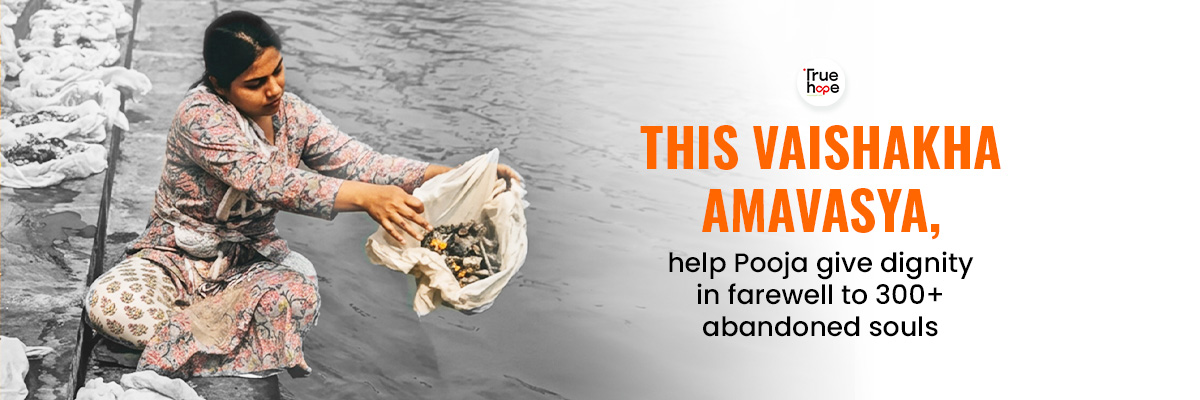
This Vaishakha Amavasya Tribute to Pooja Sharma and Her Last Rites Mission

Goal
₹20L
Raised
₹13.2L
Donors
6

Projects

Comments
Project
Comments

Project
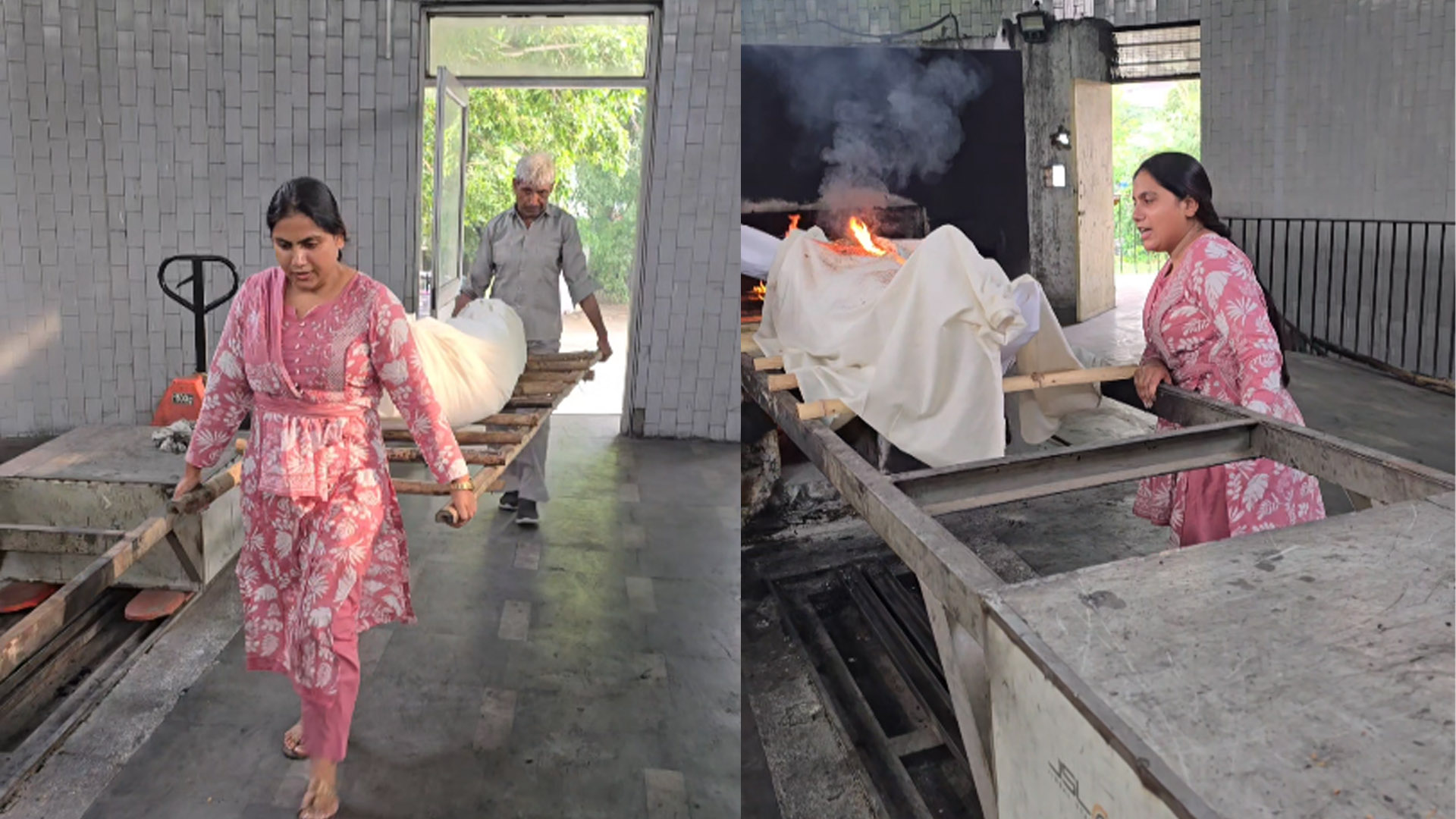
Vaishakha Amavasya holds a very special place in Sanatan tradition. this Amavasya is deeply connected with Pitra Paksha Bhavna, a time dedicated to remembering, honoring, and offering peace to departed souls. It is believed that on this day, the veil between the living and the ancestors becomes thinner, and acts of daan, seva, and prayer reach the souls who are awaiting liberation. While many families perform rituals for their own ancestors, there exist countless souls in this world who leave without anyone to light their pyre, chant a mantra, or offer them water for their final journey.
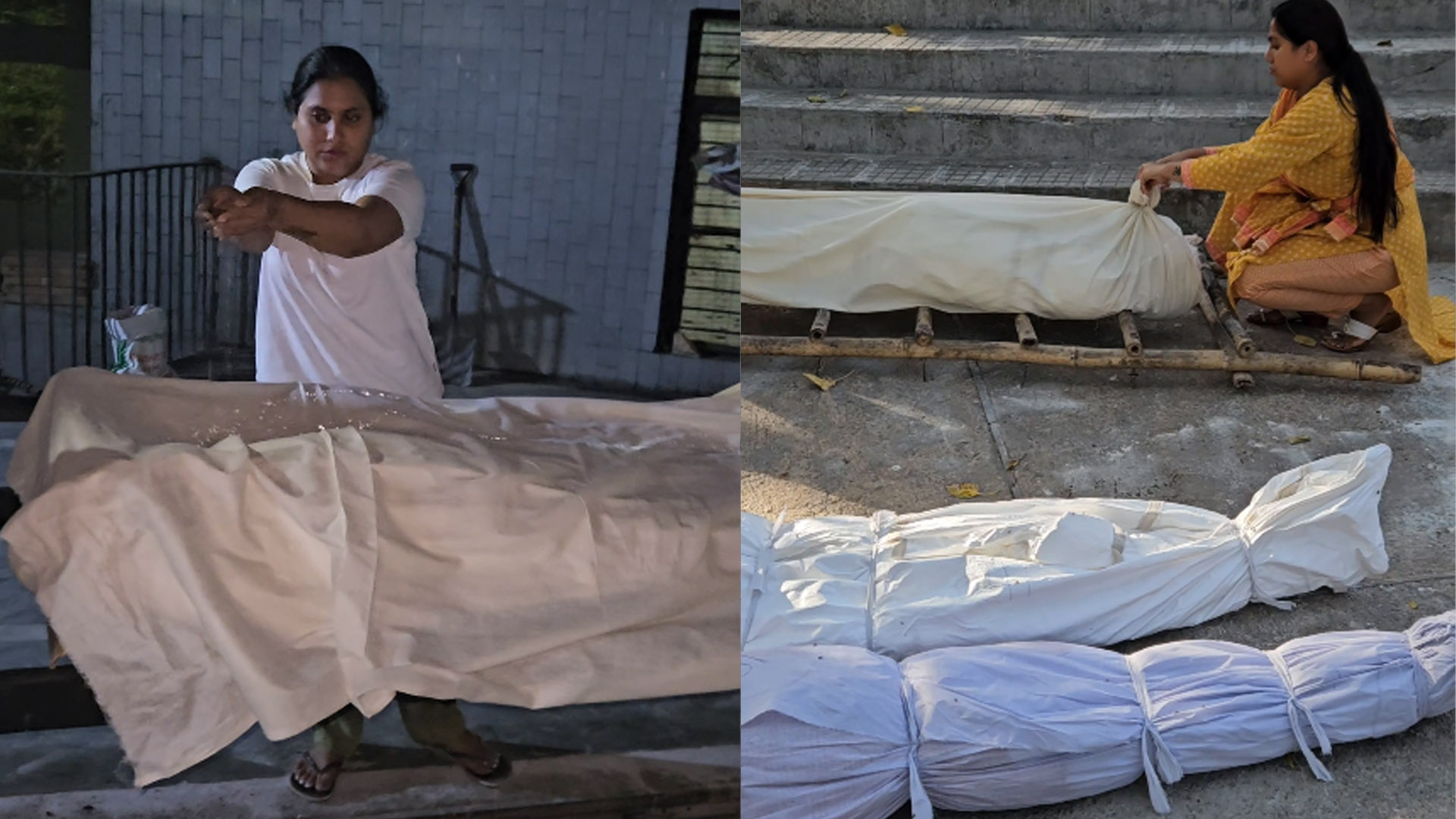
These are the unidentified and abandoned individuals, people who lived unnoticed and passed away without recognition. Vaishakha Amavasya reminds us that our responsibility toward Pitras is not limited to our bloodline alone; it extends to every soul that departed without dignity. Performing the last rites for such souls is not a symbolic act, it is a sacred responsibility that requires immense effort and resources. Every cremation involves essential elements such as firewood, samagri, ghee, kapda, transportation of the body, the presence of priests, and adherence to proper Vedic procedures.
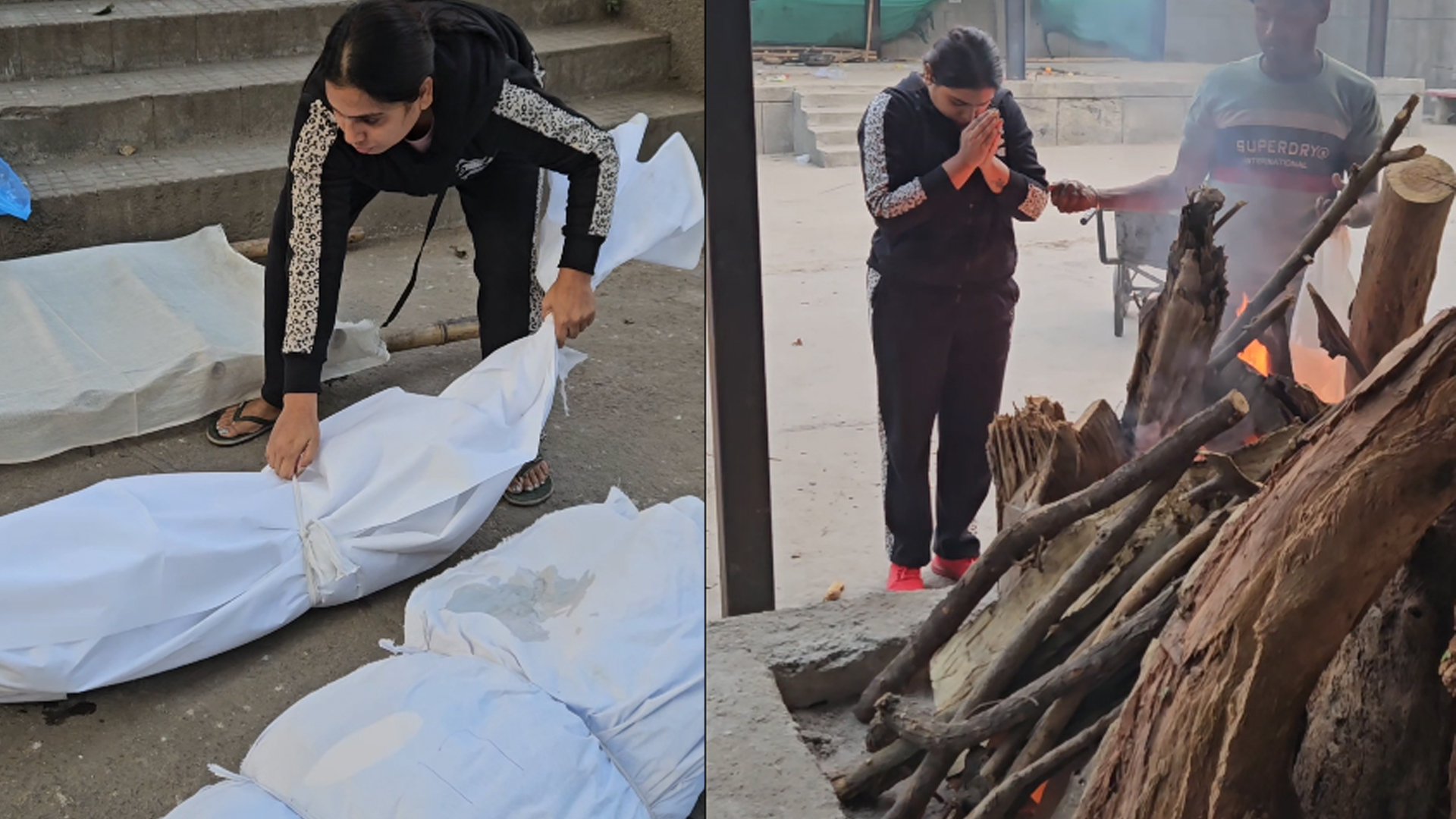
Each step must be carried out with care, respect, and sanctity. These rituals ensure that the soul is not left wandering, but is given a proper path toward peace. Beyond the cremation itself, the seva does not end. The ashes (asthi) of these souls are taken to Haridwar, one of the holiest tirthas in Bharat, where they are immersed in the sacred waters of Maa Ganga. Asthi visarjan in Haridwar is believed to help the soul attain shanti and ultimately moksha. Transporting the ashes, completing the necessary rituals, and coordinating the immersion all involve significant expenses, yet this is an essential part of ensuring that the departed soul receives full spiritual closure.
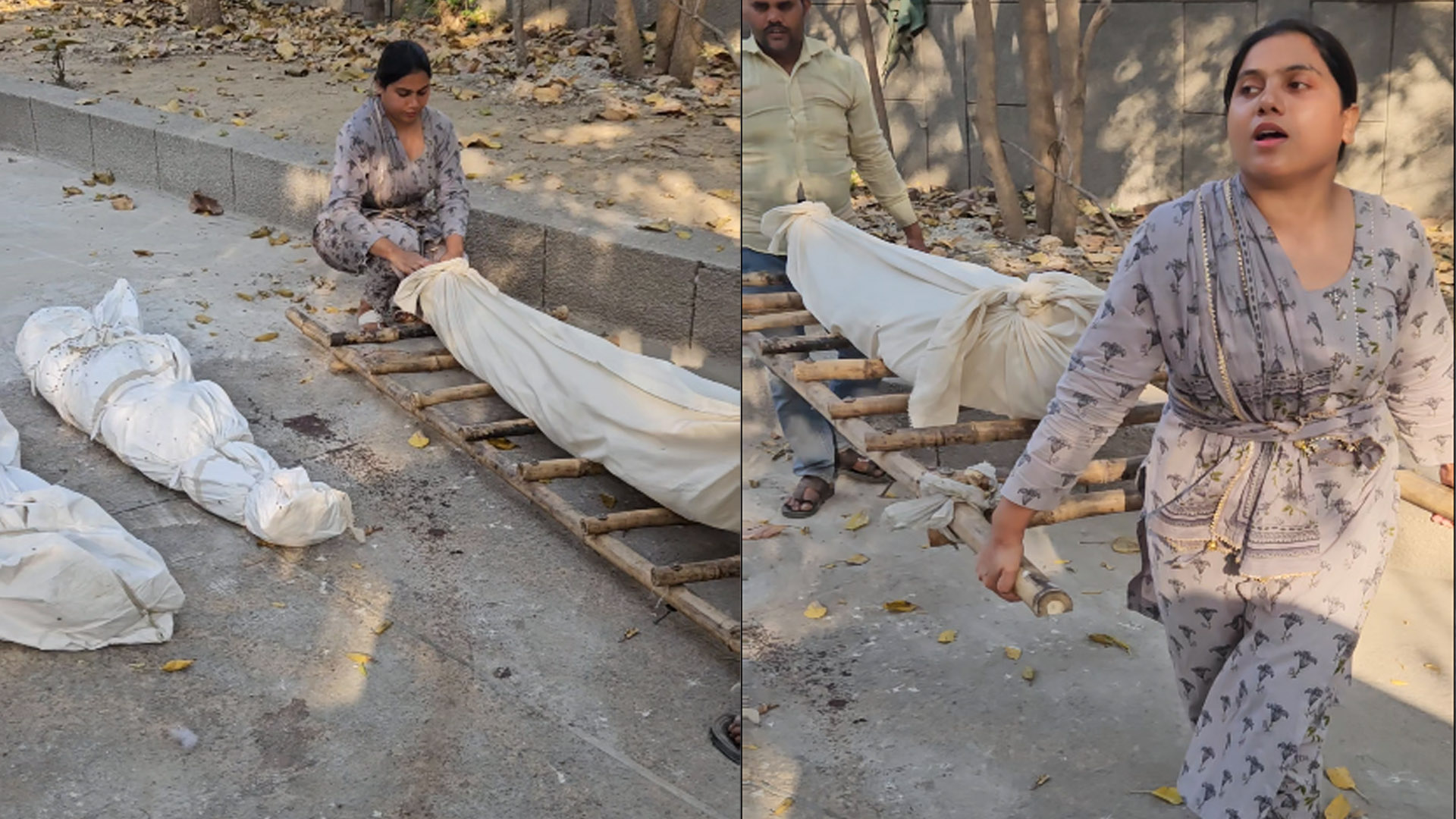
This entire process demands continuous financial support. From materials and logistics to priestly services and travel, each unidentified cremation is a commitment, one that cannot be paused or delayed. Without timely funds, this seva becomes difficult to sustain, leaving many souls without the dignity they deserve in death. On this Vaishakha Amavasya, daan made for such a cause carries profound spiritual significance. Scriptures emphasize that offerings given for Pitra shanti on Amavasya bring blessings not only to the departed, but also to the giver and future generations.
Comments
No comments yet. Be the first to comment!
Donors

No donors yet
Be the first one to donate
Project
Vaishakha Amavasya holds a very special place in Sanatan tradition. this Amavasya is deeply connected with Pitra Paksha Bhavna, a time dedicated to remembering, honoring, and offering peace to departed souls. It is believed that on this day, the veil between the living and the ancestors becomes thinner, and acts of daan, seva, and prayer reach the souls who are awaiting liberation. While many families perform rituals for their own ancestors, there exist countless souls in this world who leave without anyone to light their pyre, chant a mantra, or offer them water for their final journey.
These are the unidentified and abandoned individuals, people who lived unnoticed and passed away without recognition. Vaishakha Amavasya reminds us that our responsibility toward Pitras is not limited to our bloodline alone; it extends to every soul that departed without dignity. Performing the last rites for such souls is not a symbolic act, it is a sacred responsibility that requires immense effort and resources. Every cremation involves essential elements such as firewood, samagri, ghee, kapda, transportation of the body, the presence of priests, and adherence to proper Vedic procedures.
Each step must be carried out with care, respect, and sanctity. These rituals ensure that the soul is not left wandering, but is given a proper path toward peace. Beyond the cremation itself, the seva does not end. The ashes (asthi) of these souls are taken to Haridwar, one of the holiest tirthas in Bharat, where they are immersed in the sacred waters of Maa Ganga. Asthi visarjan in Haridwar is believed to help the soul attain shanti and ultimately moksha. Transporting the ashes, completing the necessary rituals, and coordinating the immersion all involve significant expenses, yet this is an essential part of ensuring that the departed soul receives full spiritual closure.
This entire process demands continuous financial support. From materials and logistics to priestly services and travel, each unidentified cremation is a commitment, one that cannot be paused or delayed. Without timely funds, this seva becomes difficult to sustain, leaving many souls without the dignity they deserve in death. On this Vaishakha Amavasya, daan made for such a cause carries profound spiritual significance. Scriptures emphasize that offerings given for Pitra shanti on Amavasya bring blessings not only to the departed, but also to the giver and future generations.
Comments
No comments yet. Be the first to comment!
Donors
No donors yet
Be the first one to donate
Refer a friend
 Refer a friend
Be the Reason for Someone’s Smile
Share True Hope with your friends. Every new supporter you bring helps change a life!



Frequently Asked Questions
Donate Via
UPI

PhonePe

Gpay

Bhim UPI

More
₹
INR
|