- There’s something magical about January. The world slows down, the festivals fade out, and suddenly everything feels quiet… almost too quiet. But for NGOs and for the people who depend on them, January isn’t a calm month at all. It’s the storm before the year really begins.
- At True Hope Foundation, this is the month when the phone rings the most, the emergencies pile up the fastest, and the needs hit harder than any other time of the year. January basically decides what the rest of our year is going to look like.
- Here’s the part most people don’t see, and why this month is so important.
- 1. January is the Coldest, Harshest Month for Vulnerable Families
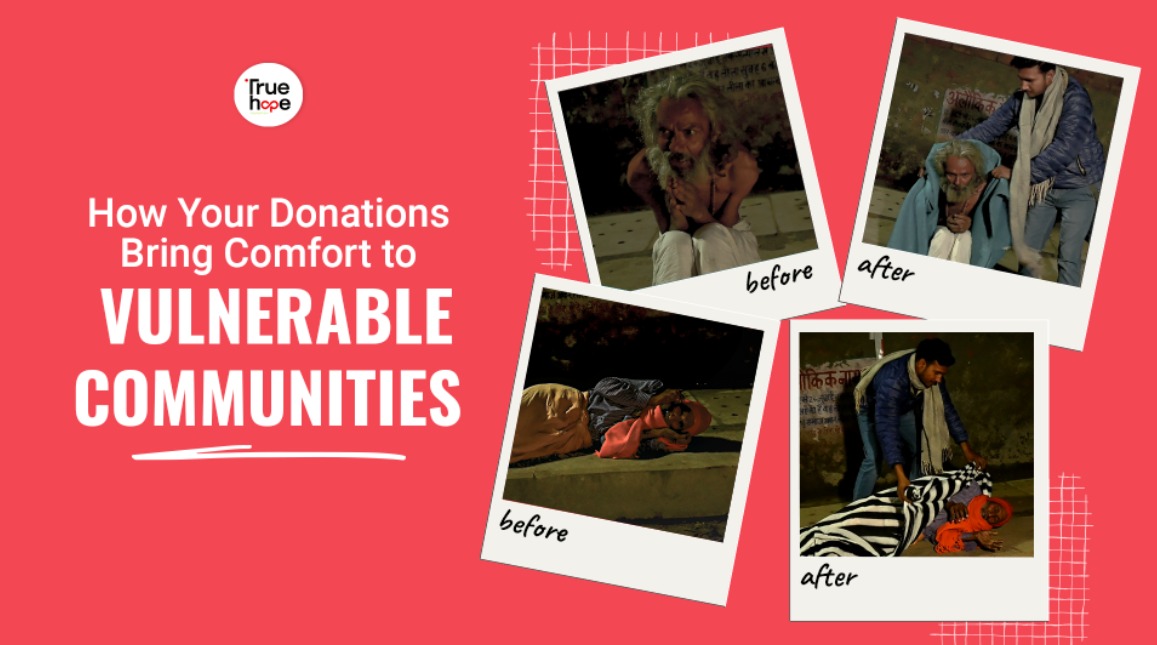
- December might feel festive, but January is when winter becomes real. It’s the month when the cold starts biting. Temperatures drop, illnesses rise, and thousands of elderly people, daily-wage families, and homeless individuals start struggling just to get through the night.
- Every January, we see: • A spike in pneumonia and respiratory infections • Kids and seniors falling severely ill • Requests for blankets and warm clothes shooting up • More emergency meals needed for people stuck in freezing weather
- The celebrations are over for everyone else, but for vulnerable communities, January is when survival gets harder.
- 2. Families Hit Their Lowest Financial Point
- By the time the new year starts, most low-income families have already exhausted whatever little savings they had. December expenses, medical bills, school fees, and winter costs push them into a kind of quiet panic.
- January brings:
- • Empty savings • Pending medical bills • Higher fuel costs • No backup for emergencies • More children falling sick due to the cold
- And that’s when they turn to NGOs like us, hoping someone will pick up the phone.
- 3. January Is When NGOs Plan Their Entire Year
- Behind the scenes, January is our “thinking month.” This is when we sit down and ask ourselves:
- How many kids can we educate this year? • How many medical emergencies can we realistically support? • Which communities need priority, widows, elderly women, babies, homeless individuals? • How many relief campaigns can we run before monsoon? • What does our budget look like for 2026?
- Everything, literally everything, gets decided now. When support is strong in January, we dream bigger. When support is slow, we are forced to cut back.
- 4. Donations Drop, But Needs, Skyrocket
- After the festive season, donors naturally take a break. It’s normal. But unfortunately, January is also when the requests hit their peak. So NGOs end up stuck between: • More emergencies • Fewer contributions • Higher seasonal costs
- It’s one of the hardest months for any non-profit. The people who choose to donate in January often end up saving the entire quarter.
- A January Donation Has the Biggest Impact
- When someone supports in January, they don’t just donate, they literally help us start the year with strength. Your contribution helps us:
- Respond to emergencies immediately • Support babies, seniors, and struggling families • Pay for winter kits, meals, and medical care • Plan long-term projects with confidence • Make sure no call for help goes unanswered
- A January donation is not seasonal giving. It’s the foundation of everything we can do in 2026.
- A New Year of Hope Begins With You
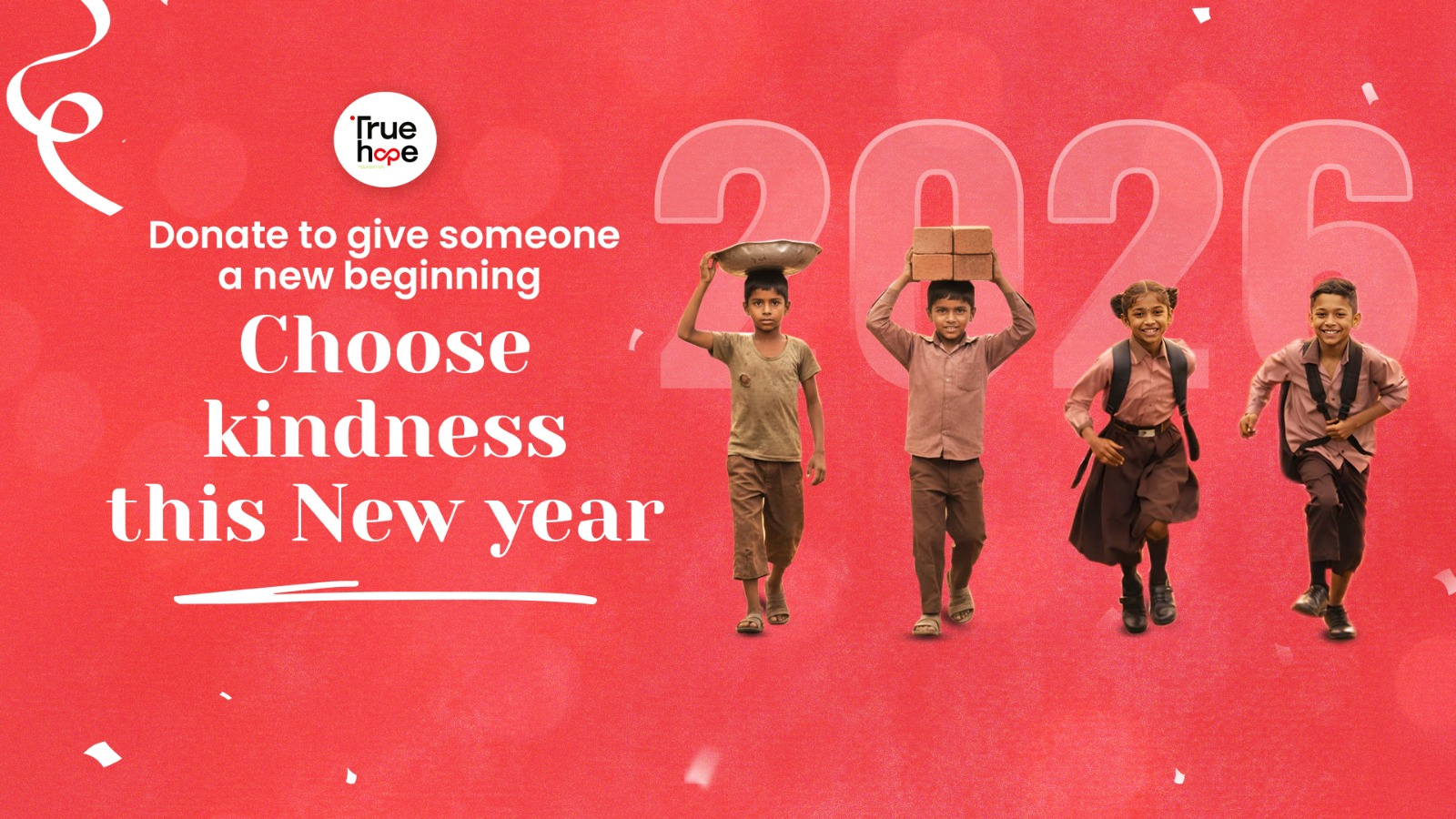
- As you step into 2026 with goals and gratitude, here’s something to remember: someone out there is stepping into the new year with fear, uncertainty, and cold nights.
- And their hope, their first ray of comfort, might just come from you. Support True Hope Foundation this January. Let’s start this year with strength, compassion, and the promise that no life will be left behind.